How to turn an FSA or HSA eligibility answer into a cleaner claim packet
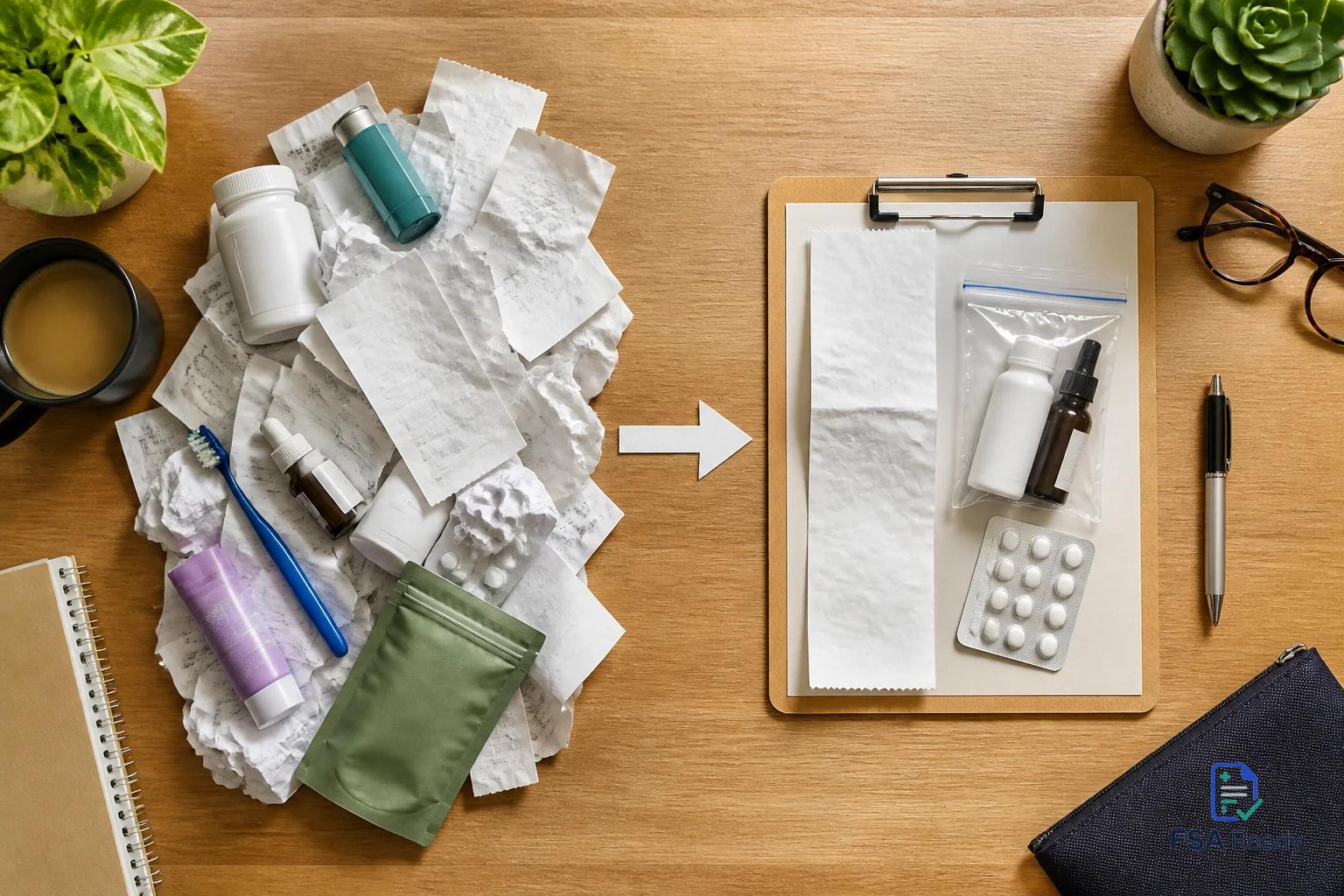
An FSA or HSA eligibility answer is only useful if it helps you file something your plan can actually review.
That is where a lot of people lose the thread. They ask, “Is this eligible?” get a yes, maybe, or plan dependent answer, then toss the receipt into a folder and hope the claim works out later.
A better approach is to treat the answer as the start of your claim packet, not the end of the decision.
Direct plain-English answer
To turn an FSA or HSA eligibility answer into a cleaner claim packet, attach it to the facts of the actual expense.
That means saving the answer with the itemized receipt, the date, the exact product or service, who the expense was for, and any backup that explains medical purpose if the expense is not obviously medical.
The eligibility answer can help you decide what to save and what to ask next. It does not guarantee that your FSA administrator, HSA custodian, employer plan, or benefits card processor will approve anything. Your plan documents and administrator still matter.
If the answer says the expense is likely eligible, your job is to make the claim easy to understand. If it says maybe or plan dependent, your job is to slow down and get clearer documentation before you rely on it.
For a deeper look at why an answer needs enough detail to be useful, see What makes an FSA or HSA eligibility answer usable.
Key terms
Eligibility answer
An eligibility answer is an explanation of whether an expense may fit FSA or HSA rules based on the facts provided. The quality depends on the question. A vague product name usually produces a weaker answer than a specific item, purpose, date, and user.
Claim packet
A claim packet is the set of information you keep or submit to support a reimbursement request or card transaction. It can include a receipt, invoice, explanation of benefits, product details, provider information, plan message, prescription, or Letter of Medical Necessity when applicable.
Substantiation
Substantiation is the process of showing that an expense matches plan requirements. In plain English, it is your proof file. A card swipe does not always finish that process. Some transactions still get follow up requests.
Plan dependent
Plan dependent means the answer may vary based on your specific plan rules, administrator requirements, or how the expense is used. It is not a polite version of yes. It means you should verify before assuming.
Common confusion points
“Eligible” does not mean “approved”
Eligibility is about whether an expense may qualify. Claim approval is about whether your specific submission satisfies your plan’s process. Those are related, but not identical.
A claim can run into trouble even when the item itself is commonly eligible if the receipt is vague, the date is missing, the expense is mixed with non eligible items, or the plan wants extra backup.
A screenshot alone is weak
A screenshot of an eligibility answer can help, but it usually should not be the only thing you save. It needs to connect to the actual purchase.
Save the answer with the receipt or invoice, not in a random camera roll folder where you will never find it again.
A generic answer may not cover your version of the expense
“Massage therapy,” “supplements,” “skin care,” “therapy,” and “medical device” can mean very different things depending on the facts. The product, provider, diagnosis, purpose, and plan rules may change the documentation needed.
That does not mean the expense is automatically bad. It means the claim packet needs to carry more detail.
HSA and FSA paperwork can feel different
FSAs often involve administrator review for reimbursements or card substantiation. HSAs can involve different recordkeeping expectations depending on how funds are used and what your custodian provides. Either way, saving clean records is safer than trying to reconstruct the expense months later.
This is informational only, not tax, legal, medical, financial, or benefits advice.
Questions to check
Before you file, or before you decide the answer is enough, ask:
- What exactly was purchased or provided?
- Does the receipt show the item or service clearly?
- Who was the expense for?
- What was the purchase date or service date?
- Is the medical purpose obvious from the item itself?
- If not, does the plan require a Letter of Medical Necessity, prescription, provider note, or other backup?
- Was the purchase mixed with non eligible items?
- Did the eligibility answer depend on facts that are missing from the receipt?
- Does your plan administrator treat this category differently?
- Can you find all of this again if someone asks in three months?
If the answer to several of these is “I’m not sure,” your claim packet is probably not ready yet.
For purchases you are still planning, How to build a cleaner FSA or HSA claim before checkout can help you avoid receipt cleanup later.
Claim packet checklist
Use this simple checklist before you submit or archive the expense:
- Itemized receipt or invoice showing merchant or provider
- Purchase date or service date
- Item or service name that is specific enough to identify the expense
- Amount paid
- Proof of payment if your plan asks for it
- Eligibility answer saved with the date and source
- Product label, order page, or description if the receipt is vague
- Provider name and service description for care related expenses
- Explanation of benefits if insurance was involved
- Letter of Medical Necessity or prescription if your plan requires one
- Short note explaining medical purpose for unclear items
- Mixed purchases separated into eligible and non eligible line items
- Any message from your plan administrator about the expense
- Submission confirmation or claim ID after filing
The goal is not to build a courtroom binder. The goal is to make the claim understandable without forcing the reviewer to guess.
Informational disclaimer
FSA Ready provides general educational information about FSA and HSA eligibility, documentation, and claim prep. It does not provide tax, legal, medical, financial, or benefits advice.
Eligibility and reimbursement can depend on your specific plan, administrator, timing, documentation, and facts. Always verify questionable expenses with your plan administrator before relying on an eligibility answer or submitting a claim.
Cautious closing
A cleaner claim packet does not guarantee reimbursement. It does reduce avoidable confusion.
The tradeoff is simple: spend five minutes connecting the eligibility answer to the receipt now, or spend more time later trying to explain a vague transaction after the details have gone cold.
If you want help organizing the facts before you buy or file, use FSA Ready to turn a messy FSA or HSA question into a clearer next step.