Weekly Review: Stop Treating Covered Like an Answer
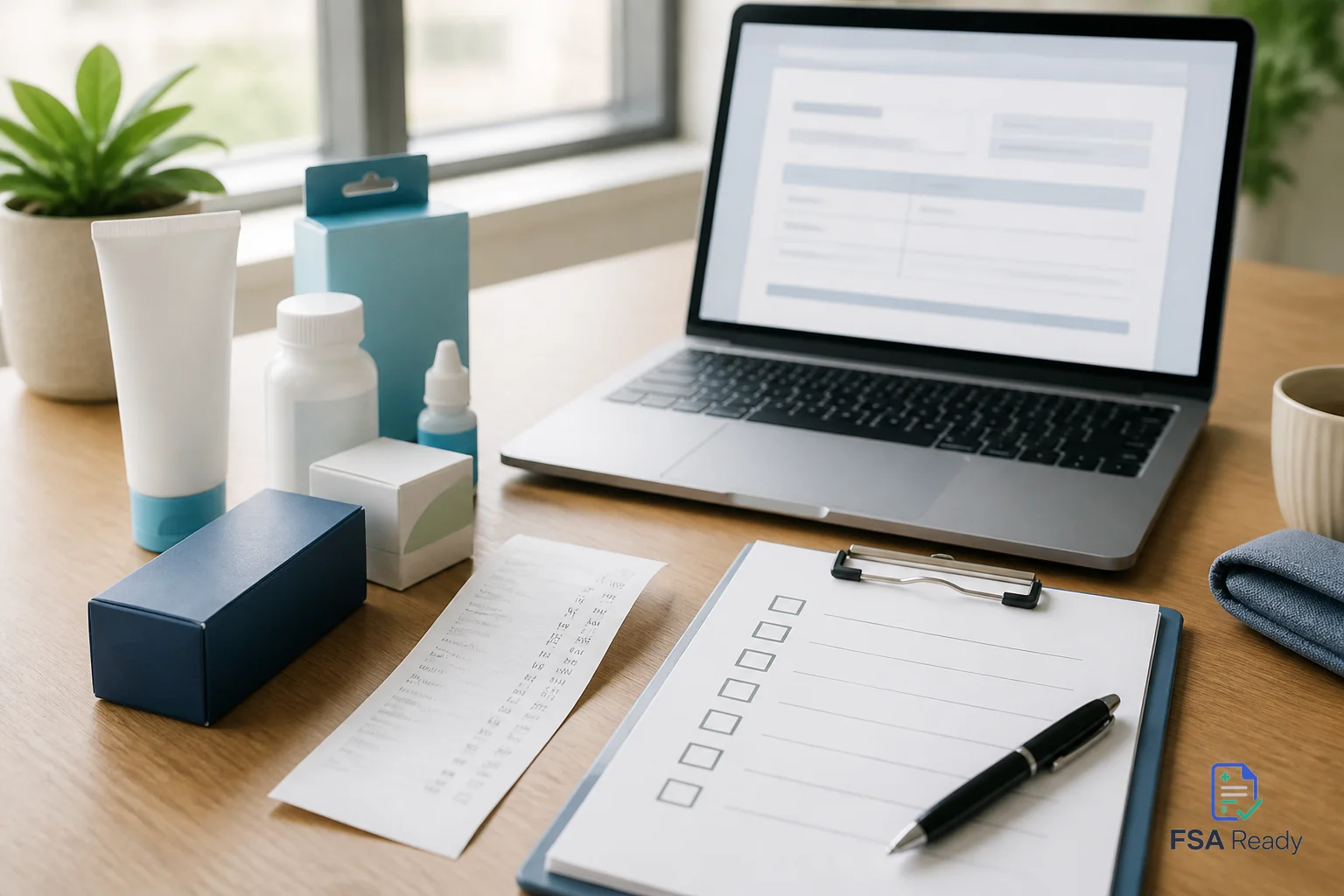
Claim Prep Guide
The sloppy question is: is this covered? The cleaner move is to stop treating covered like a complete answer.
It sounds normal. It is also where a lot of FSA and HSA claim confusion starts. Covered can mean five different things depending on who is answering:
- The expense is generally eligible under IRS medical care rules.
- Your specific plan usually allows it.
- The store or checkout system labels it eligible.
- Your debit card might approve the purchase.
- Your documentation is strong enough if the plan asks questions later.
Those are not the same thing.
A cleaner claim prep question is:
Can this expense be treated as medical care for the person who used it, under my plan, with the proof I can provide?
That question forces you to check the parts that actually matter. Before you submit, build the claim packet around the expense, not the shopping experience.
A stronger packet usually includes:
- An itemized receipt, not just a card statement.
- Date of purchase or service.
- Provider or merchant name.
- Product or service name.
- Amount paid.
- Who the expense was for, if your plan asks.
- A medical purpose when the item could also be used for general wellness.
- Prescription, provider note, or Letter of Medical Necessity when needed.
- Any eligibility answer you relied on, saved with the purchase details.
The bad habit is treating one clue as the whole answer. A pharmacy receipt helps. An online eligible label helps. A debit card approval helps. None of them replaces claim documentation.
Eligibility Term of the Week
Plan dependent
A plan dependent expense is not automatically yes or no. It is an expense where the outcome can depend on your plan rules, the medical purpose, the person using it, and the paperwork you can show.
This tends to show up with gray zone purchases: products that look medical but also have everyday wellness uses, services that depend on the reason you received them, or items that one store labels as eligible while your administrator wants more proof.
If something is plan dependent, do not treat that as a dead end. Treat it as a warning label. Ask your administrator a narrow question, save the answer, and keep the receipt and support together.
Better question: What documentation would my plan need for this specific expense to be reimbursed?
Before You Submit
Run this quick audit before you upload a claim or respond to a documentation request:
- Does the receipt show what was purchased, not just where you shopped?
- Does the date fit your coverage period and account rules?
- Is the expense for an eligible person under your plan?
- Is the item clearly medical, or could it look like general health, comfort, cosmetic, fitness, or personal use?
- If it is dual purpose, do you have a Letter of Medical Necessity or other provider documentation if required?
- Are you relying on a store label, product page, or eligibility checker? If yes, did you save it with the purchase record?
- Would a reviewer understand the medical purpose without guessing?
If the answer to number 7 is no, fix the packet before you submit. Guesswork is where claims get delayed.
From FSA Ready
New articles from the past week focused on one theme: eligibility clues are useful, but they are not the same as a clean claim.
- Why asking if an expense is covered can confuse your FSA or HSA check: Covered is too vague. Ask whether the expense is medical care, for the right person, under your plan, with supportable documentation.
- Why the store does not decide FSA or HSA eligibility: A pharmacy, FSA store, marketplace, or doctor office can be a clue. It is not the final decision maker.
- How to save an FSA or HSA eligibility answer for later: If you check eligibility before buying, save the answer with the facts that made it relevant.
- Why an FSA eligibility check is not claim approval: An eligibility check can screen out obvious problems. Claim approval still depends on timing, plan rules, and proof.
- FSA eligible vs HSA eligible: what changes before you buy: FSA and HSA eligibility often overlaps, but account mechanics and documentation still matter.
- How to handle a plan dependent FSA or HSA expense: Plan dependent does not mean impossible. It means slow down and ask for the documentation standard.
Prepare cleaner FSA/HSA claim documentation before you submit: FSA Ready
Question of the Week
If an item is marked FSA eligible at the store, do I still need to keep the receipt?
Yes. Keep the itemized receipt.
A store label can help explain why you thought the item was eligible, but your plan may still ask what you bought, when you bought it, how much you paid, and whether the expense fits the account rules. A credit card statement usually proves payment, not eligibility.
For a cleaner file, save three things together:
- The itemized receipt.
- The product page or eligibility label, if that influenced the purchase.
- Any plan answer, prescription, or Letter of Medical Necessity if the expense is not obviously medical.
The goal is not to collect paperwork for fun. The goal is to avoid rebuilding the story later from a vague charge and a half remembered product name.