Weekly Review: The receipt is doing more work than you think
Claim Prep Guide
This week’s claim prep theme: do not make your plan administrator guess.
A lot of FSA and HSA claims get messy for boring reasons. The item was probably eligible. The purchase was probably medical. The problem is that the paperwork does not prove enough.
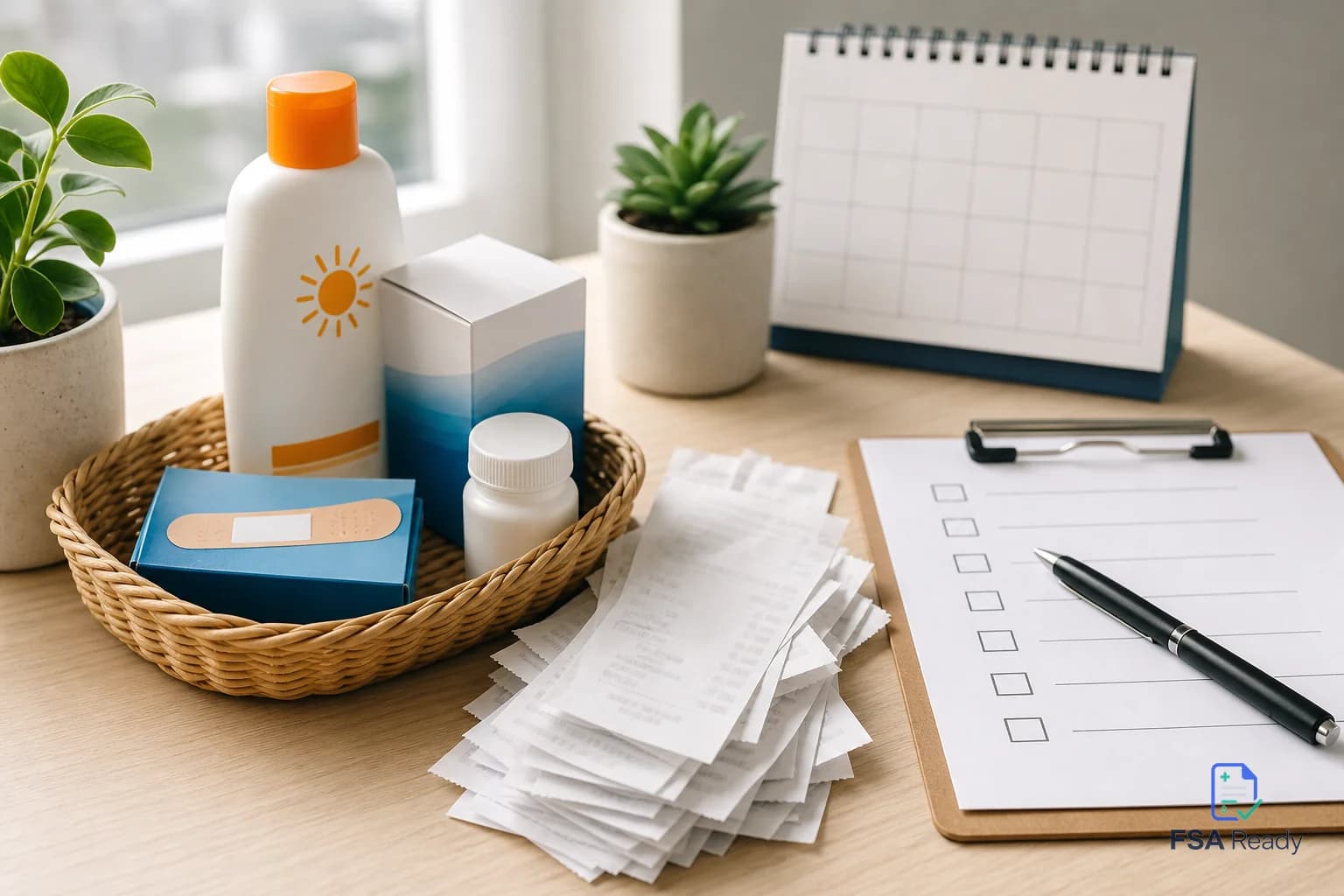
In this weekly review, the useful thing to think through is what the receipt is actually doing. It is not just proof that you spent money. It is the document that helps a reviewer connect the purchase, date, merchant, amount, and medical purpose before they decide what else to ask for.
Before you submit, build a small claim packet instead of uploading whatever screenshot is closest:
- Itemized receipt showing what was purchased, merchant or provider name, date, and amount
- Product label or order detail page when the receipt uses vague wording like “health item” or “personal care”
- Prescription or Letter of Medical Necessity, if your plan asks for one
- Refund record, if any part of the purchase was returned, canceled, or credited
- Plan deadline note, especially near runout periods, grace periods, or year end
The tradeoff is annoying but real: a little extra documentation now can save a back and forth later. A clean claim packet does not guarantee approval, but it gives the reviewer fewer reasons to pause.
Eligibility Term of the Week
Incurred date
The incurred date is usually the date you received the medical care, bought the eligible item, or had the service performed. It is not always the same as the date you paid the bill, the date your card was charged, or the date you submitted the claim.
That difference gets people in trouble around FSA deadlines. Your plan may care about when the expense was incurred, then separately give you a runout period to submit the paperwork. So a December purchase might still be submitted in March if your plan allows it, while a January purchase may not count for the prior plan year at all.
Check your plan documents or benefits portal before assuming the payment date solves it.
Related read: What is the deadline for submitting an FSA claim
Before You Submit
Use this quick check before uploading an FSA or HSA claim:
-
Can someone tell what you bought without squinting?
If the receipt only says “general merchandise,” add the order details or product page. -
Does the receipt separate eligible and non eligible items?
Mixed carts are where claims get noisy. Vitamins, cosmetics, snacks, and first aid items can sit on the same receipt, but they are not treated the same way. -
Did anything get refunded?
A refund is part of the claim story. Keep the refund confirmation, credit memo, or merchant email. -
Does the item need extra support?
Some items are straightforward. Others may need a prescription, diagnosis connection, or Letter of Medical Necessity. -
Are you inside your plan’s dates?
Do not rely on a generic internet answer for FSA deadlines. Plans can differ.
If you want a simple north star: submit the claim as if the reviewer has never seen your purchase, your condition, your plan, or your cart. Because they probably have not.
From FSA Ready
Recent guides from FSA Ready focused on the small documentation details that decide whether a claim feels easy or turns into a cleanup job:
-
How FSA and HSA rules treat over the counter medicine
OTC medicine is often eligible when used to treat or relieve a medical condition, but the receipt and product description still matter. -
What is the deadline for submitting an FSA claim
Plan year, runout period, grace period, and carryover rules are not interchangeable. Know which date you are looking at. -
Can you use FSA or HSA funds for first aid supplies
Bandages and gauze are usually easier than giant emergency kits with non medical extras. -
Can you use FSA or HSA funds for sunscreen
Sunscreen can be eligible, but label details like SPF and broad spectrum language can make the claim cleaner. -
What an itemized FSA receipt needs to show
A card statement proves a charge happened. An itemized receipt explains the charge. -
What happens if an FSA purchase gets refunded
Returned items should not disappear from your records. Keep the refund trail.
Prepare cleaner FSA/HSA claim documentation before you submit: FSA Ready
Question of the Week
Can I submit a credit card statement instead of an itemized receipt?
Usually, a credit card statement is not enough by itself. It can show where you spent money and how much you paid, but it usually does not show what you bought, who received the service, or whether the item was eligible.
A stronger claim includes an itemized receipt or provider statement with the product or service, date, merchant or provider, and amount. If the receipt is vague, add supporting documentation before submitting. The goal is not to bury the reviewer in files. It is to remove the obvious question marks.