How to ask for a letter of medical necessity for an FSA claim
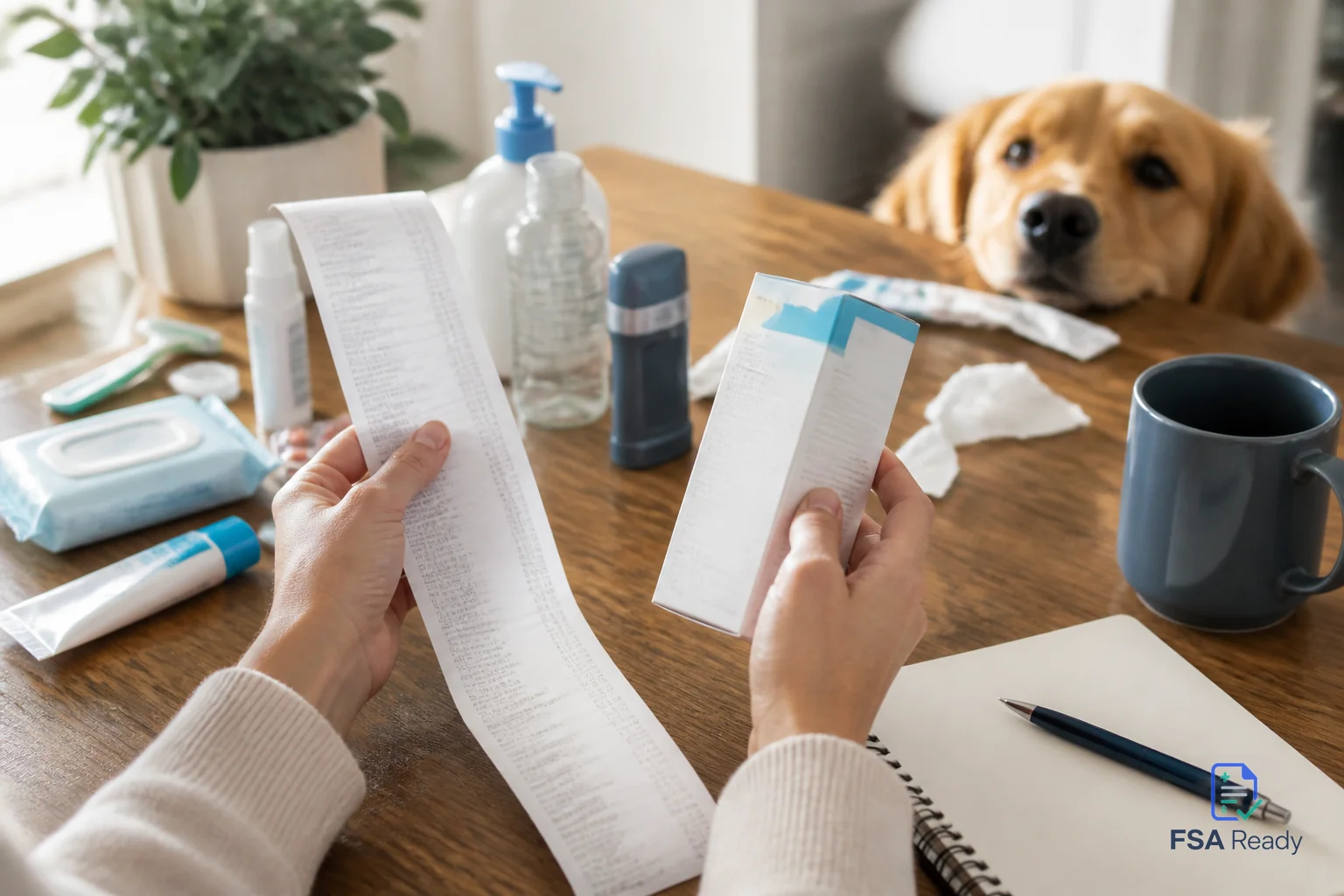
Some FSA and HSA purchases are easy to document. Others sit in the gray zone, especially when the item could be used for general wellness or for medical care.
That is where a letter of medical necessity, often called an LMN, may come in. The mistake people make is treating the letter like a permission slip. It is not. It is supporting documentation. Your plan administrator still gets to decide whether the expense qualifies under your plan.
The short answer
If your FSA administrator asks for a letter of medical necessity, or if you know the item is plan dependent, ask your licensed provider for a short letter that connects three things:
- The medical condition or diagnosis being addressed
- The product, service, or treatment being recommended
- Why that item is being used to treat, manage, mitigate, or diagnose the condition
The letter should be specific enough to explain the medical purpose, but it does not need to be a novel. A vague note that says something is “recommended for health” is usually weaker than a short note that clearly explains the medical connection.
For broader context, see When an FSA or HSA claim may need a letter of medical necessity.
Key terms
Letter of medical necessity
A letter of medical necessity is a written statement from a qualified provider explaining why a product or service is medically needed for a specific person. It is commonly used when an expense could look like general wellness, personal care, comfort, or prevention unless the medical reason is documented.
Medical condition
This is the health issue the product or service is meant to address. Depending on the situation, the letter may mention a diagnosis, symptom, injury, chronic condition, or treatment need. The provider decides what is clinically appropriate to include.
Recommended item or service
This is the exact thing you are trying to claim. It should be described clearly enough that your plan can match the letter to the receipt. If the receipt says one thing and the letter describes something broad or different, the claim can get messy fast.
Plan administrator
Your plan administrator reviews the claim under your plan rules. Your provider can explain medical need, but the provider does not control FSA eligibility or reimbursement approval.
Common confusion points
An LMN does not make every purchase eligible
This is the big trap. A letter can support a claim, but it does not automatically convert a personal, cosmetic, or general wellness purchase into an eligible medical expense. Some expenses remain ineligible. Some are eligible only in specific circumstances. Some depend on your plan’s documentation rules.
Your receipt still matters
An LMN does not replace the receipt. You usually still need an itemized receipt or invoice showing the merchant or provider, date of purchase or service, item or service purchased, and amount paid. If the receipt is vague, the letter may not be enough to clean it up.
For receipt and documentation basics, see What documentation you need for an FSA claim.
Your provider is not your plan administrator
A provider can say something is medically recommended. That is different from saying your FSA plan will reimburse it. If the purchase is expensive or questionable, verify with your plan administrator before buying when possible.
HSA records can matter too
HSA users often have more flexibility at the point of purchase, but that does not mean documentation is irrelevant. If you use HSA funds, you may still want to keep receipts, notes, and supporting documents in case you need to substantiate the expense later. Ask your HSA custodian or tax professional about your recordkeeping situation.
Questions to check
Before you ask your provider for a letter, get clear on the request. A fuzzy ask usually creates a fuzzy letter.
Ask yourself:
- What exact product, service, or treatment am I trying to claim?
- Is the item clearly medical, or could it look like wellness, comfort, cosmetic, or personal use?
- Has my plan administrator said an LMN is required?
- Does my plan have its own LMN form or required wording?
- Does the letter need to cover a specific date range?
- Will the provider understand the item from the receipt or invoice?
- Is the cost already paid, or am I checking before buying?
- Do I need a new letter each plan year, or can one letter support multiple related claims?
That last question is plan dependent. Some administrators may accept an LMN for a defined time period. Others may ask for updated documentation.
Claim packet checklist
Use this simple checklist before submitting or resubmitting the claim:
- Itemized receipt or invoice
- Date of purchase or service
- Merchant, provider, or retailer name
- Name or description of the product or service
- Amount paid
- Proof of payment if your plan asks for it
- Letter of medical necessity if required or helpful
- Patient name if your administrator requires it
- Clear match between the receipt and the letter
- Any plan specific form your administrator requires
- Short note explaining the packet if you are resubmitting
A good claim packet should make the reviewer do less detective work. The goal is not to overexplain. The goal is to remove ambiguity.
Informational disclaimer
This article is for general informational purposes only. It is not tax, legal, medical, financial, or benefits advice. FSA and HSA eligibility can depend on federal rules, plan documents, administrator procedures, the item purchased, the medical facts, and the documentation submitted. Always verify requirements with your plan administrator before relying on FSA or HSA funds for a purchase.
Cautious closing
When you ask for an LMN, do not ask your provider to “make it eligible.” Ask them to document the medical reason if one exists.
That framing matters. It keeps the request honest, cleaner, and easier for your plan administrator to review. If the item is truly medical for your situation, the letter should explain that connection without hype.
If you want help organizing receipts, LMNs, and claim packet next steps, FSA Ready can help you prepare a cleaner submission. It cannot guarantee approval, but it can help you avoid preventable documentation chaos.